Share the basics
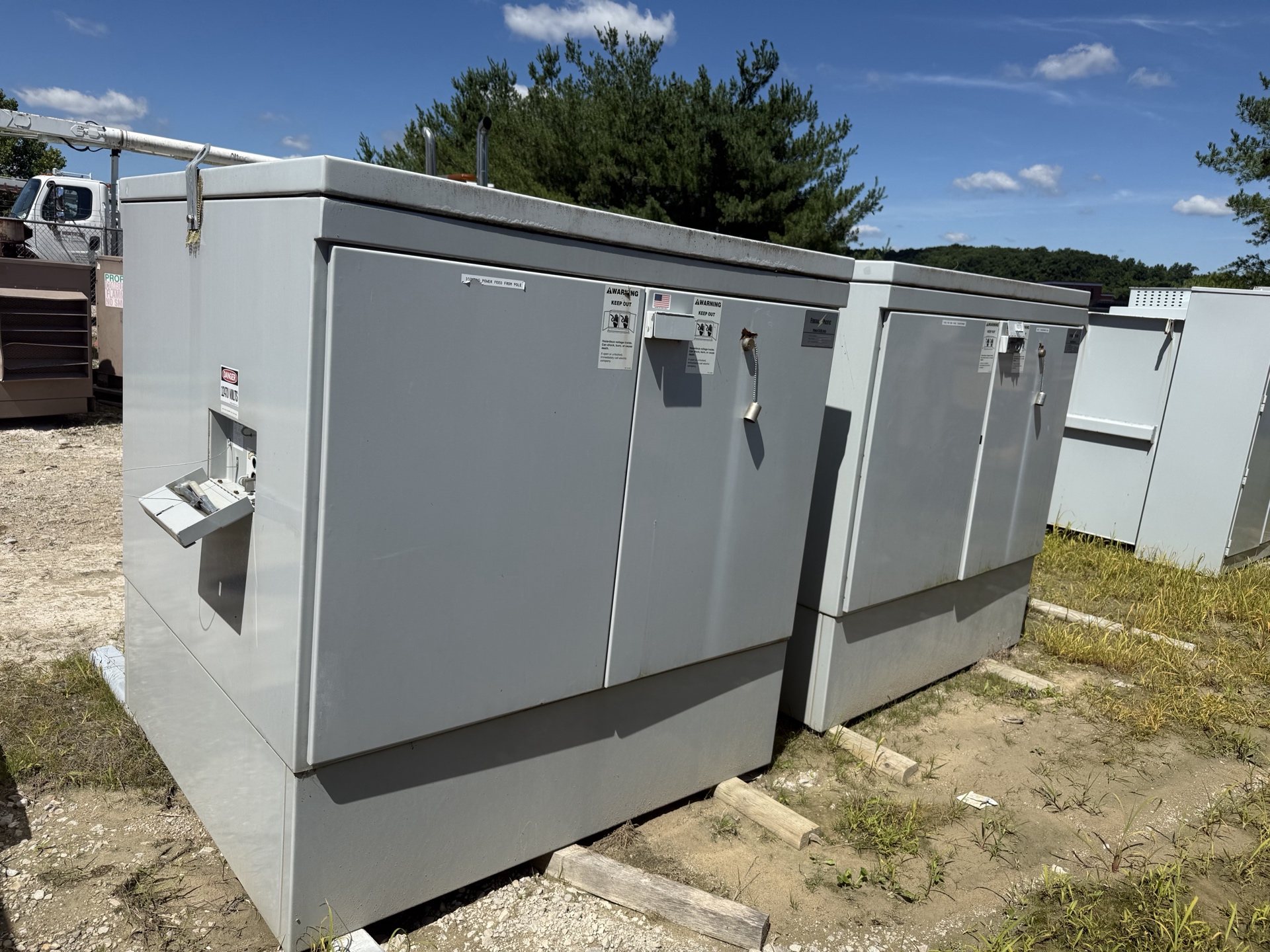
Tell us the equipment type, brand, ratings, location and condition. Photos of the nameplate help us move quickly.
Direct industrial buyer
We buy used and surplus switchgear, including equipment from decommissioned data centers and shut-down power plants. We handle rigging and logistics. Get a cash offer with payment upfront.
We buy only. We handle all rigging and logistics — you get paid.
The buyer's brief —
Cutler-Hammer markings can help identify surplus electrical equipment, but the full nameplate and the actual material matter more than a brand name alone. We are an independent buyer, not a representative of any manufacturer. We review each opportunity, make cash offers, pay upfront when the sale is agreed, and do not require the seller to test equipment. We cover all freight and buy all voltage classes.
Cutler-Hammer is a legacy and product-family mark associated with distribution equipment, breakers, MCCs, switchgear, and controls, often within Eaton product history. Photograph all Cutler-Hammer and Eaton markings and record frame, trip, voltage, ampere, catalog, serial, and accessories.
We buy automatic transfer switches in complete cabinets, bypass-isolation assemblies, controller lots, and practical partial lots across all voltage classes. Helpful nameplate details include manufacturer, model, voltage, amperage, pole configuration, enclosure, serial number, and date code. Include photos of the nameplate, controller, switching mechanism, bypass section, terminals, accessories, and cabinet. Condition may be new surplus, installed, stored, modified, dirty, incomplete, or unknown.
The buyer is responsible for qualified disconnects, rigging, crane work if needed, loading, freight, hauling, and all removal logistics. Electrical and lifting work must be performed by qualified crews using site-approved procedures, especially where emergency power systems remain connected. We can evaluate ATS equipment from decommissioned data centers and shut-down power plants. No seller testing is required.
A mixed inventory in Alabama may contain equipment from several projects, manufacturers, or voltage levels. Separate each group by building, lineup, section number, manufacturer, and nameplate rating. Note whether breakers and accessories are matched to the lineup or stored separately. This prevents a buyer from treating unrelated material as one complete system. Photographs can document the condition without requiring operation. The buyer's qualified crews can determine handling needs later, while the seller focuses on accurate identification and authorized release.
Nameplate information is often more valuable than a general statement that equipment is available in Alabama. Record the manufacturer, model or series, serial number, date code, voltage, current, frequency, short-circuit rating, and enclosure classification when readable. Include photographs of each nameplate and note whether labels are original, overlaid, or missing. A buyer can use those details to identify and review the equipment. Do not clean, energize, open, or test equipment for the inquiry; safe observation and documentation are sufficient.
Condition should be described in practical terms rather than broad labels such as good or used. For equipment in Alabama, note whether it was energized recently, stored indoors, exposed to weather, removed from service, or left in place after a project. Identify visible corrosion, impact damage, missing doors, cracked insulators, removed wiring, contamination, or incomplete sections. The buyer can account for uncertainty when reviewing the material. Seller observations and photographs are useful, but the seller does not need to perform testing or repair work.
Switchgear found during a staged plant closure in Alabama may be removed in phases rather than all at once. The seller can identify which units are still installed, which areas are already cleared, and which components are being retained for operations. A buyer can coordinate around the plant's approved access rules and sequence the material accordingly. No seller testing or electrical work is needed for an initial review. The important facts are ownership, availability, condition, access constraints, and the intended handoff process.
For a facility sale in Alabama, ask whether the switchgear is owned outright or subject to a service agreement, lease, finance arrangement, warranty claim, or demolition contract. The seller can provide the name of any other party whose consent is needed. The buyer can make an offer only for material the seller is authorized to release, with payment and pickup tied to agreed documentation. This avoids confusion when equipment remains on leased premises or when multiple contractors are working under separate scopes.
Safe access matters when reviewing equipment in Alabama, especially in abandoned rooms, active industrial sites, construction areas, and partially dismantled facilities. The seller can identify hazards, escort requirements, restricted zones, floor loading limits, and personal protective equipment rules. The buyer can send qualified personnel for any inspection, disconnection, rigging, or loading work. A seller should not be asked to open energized compartments, climb around obstructions, or make the equipment safe beyond its established site procedures.
During a plant closure, equipment may be tagged, isolated, stored, or awaiting a demolition contractor. For switchgear in Alabama, clarify whether the lineup is surplus, assigned to another project, leased, or scheduled for disposal. Include any known removal restrictions and identify the person authorized to release it. The buyer can arrange qualified crews for safe access, disconnection, rigging, and loading when required. Seller staff should not be asked to disconnect or test equipment solely to support an inquiry.
When a seller wants a straightforward sale in Alabama, clarify what is included and what is excluded before discussing payment. The list may cover complete lineups, individual breakers, loose parts, cable, controls, documentation, and storage containers. The buyer makes payment upfront after reviewing the inventory and agreeing on the release terms. Payment discussions should remain tied to verified ownership, accessible material, and an agreed handoff. The buyer makes the removal arrangements and does not require the seller to provide testing.
A clear handoff —
Send the details available to you. We buy based on practical information, not a drawn-out seller testing process.
Tell us the equipment type, brand, ratings, location and condition. Photos of the nameplate help us move quickly.
We review what you send and make a straightforward cash offer for the equipment we can buy.
Once you accept, we handle the crane, rigging, disconnects, loading, freight and hauling. Payments are made upfront.
From shutdown to handoff —
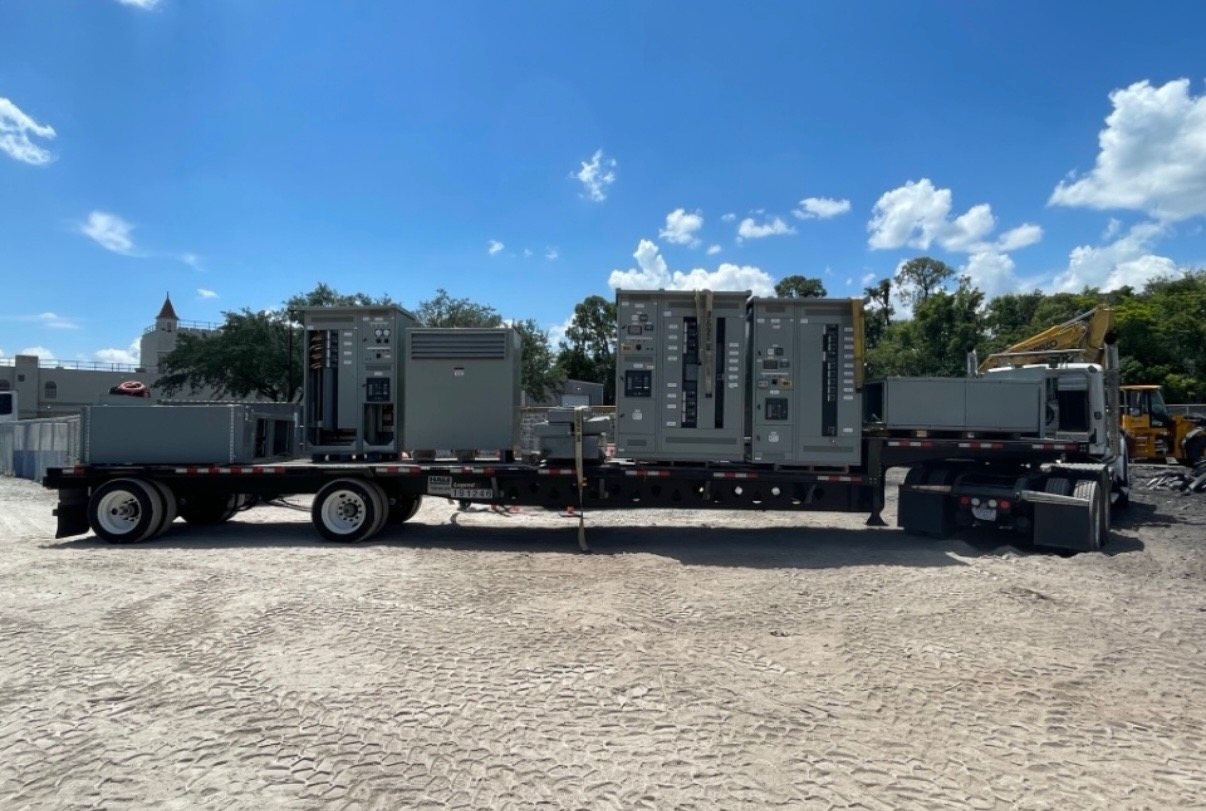
We buy electrical switchgear out of decommissioned data centers and shut-down power plants. From a single unit to a facility-wide lineup, tell us what you have and where it is located.
We handle all rigging and logistics. Crane, rigging, disconnects, loading, freight and hauling are on us. The seller does nothing but get paid.
After a sale is agreed, provide authorized site access and follow site safety rules; our qualified crews handle the work. You do not have to test the equipment before requesting an offer.
Start here —
Use the form for a full request, or call/text a nameplate photo. We buy switchgear from decommissioned data centers and shut-down power plants, plus related equipment across all voltage classes. Crane, rigging, disconnects, loading, freight and hauling are on us; the seller does nothing but get paid.