Share the basics
Tell us the equipment type, brand, ratings, location and condition. Photos of the nameplate help us move quickly.
Direct industrial buyer
We buy used and surplus switchgear, including equipment from decommissioned data centers and shut-down power plants. We handle rigging and logistics. Get a cash offer with payment upfront.
We buy only. We handle all rigging and logistics — you get paid.
The buyer's brief —
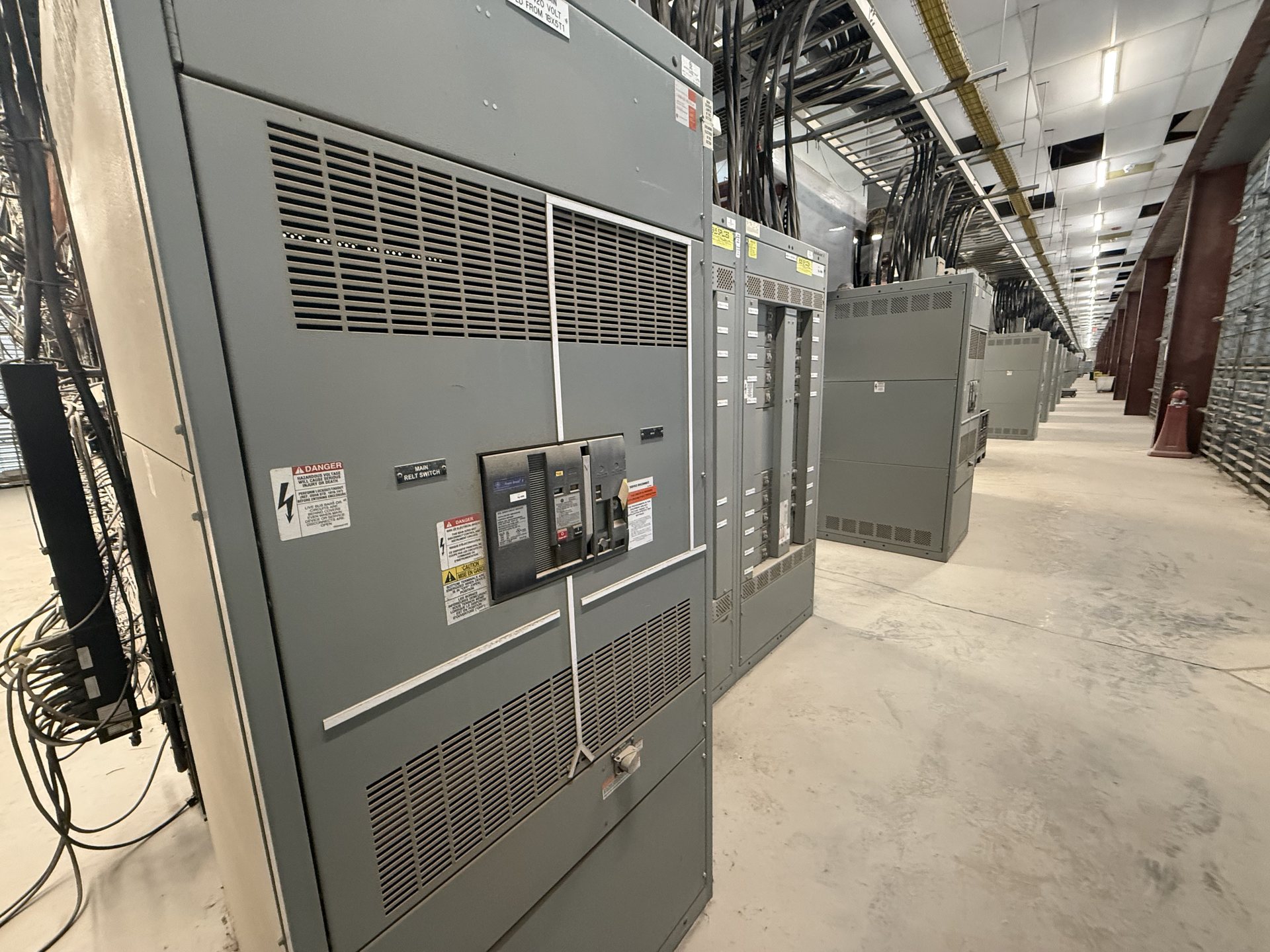
A nameplate showing 120/208 volt can be an important starting point when identifying surplus switchgear. It does not establish the remaining ratings, condition, configuration or suitability of an assembly; include the complete nameplate when safely available. We review each opportunity, make cash offers, pay upfront when the sale is agreed, and do not require the seller to test equipment. We cover all freight and buy all voltage classes.
The marking 120/208 volt is one part of an equipment nameplate. Share any available voltage, current, manufacturer, model, section count and interrupting information as marked, because a single figure does not describe an entire electrical assembly. A clear photograph is more useful than a guess. Our team considers all voltage classes and reviews the actual equipment and its condition before making an offer.
We buy indoor and outdoor switchgear across all voltage classes, whether installed, removed, stored, or awaiting decommissioning. Useful details include the nameplate manufacturer, model, voltage, amperage, interrupting rating, lineup length, serial information, year, and visible condition. Photos of sections, compartments, labels, bus, breakers, relays, and accessories help us evaluate a complete lineup or a partial lot without assuming missing information.
The buyer handles every physical step after acceptance, including qualified disconnects, rigging, crane service when needed, loading, freight, hauling, and site coordination. Sellers should not energize, dismantle, or move equipment outside their safe capabilities. Qualified crews must follow site rules and applicable safety practices. We work with decommissioned facilities and shut-down plants, and all offers remain subject to buyer review.
A useful parts list for Alabama may include metal-enclosed switchgear sections, drawout breakers, fixed breakers, bus duct, bus connectors, instrument transformers, protective relays, meters, control power transformers, battery chargers, fuses, ground switches, shutters, racking mechanisms, cables, and spare compartments. List quantities separately from condition and location. If parts are loose, identify their storage area and whether they remain with the sale. This level of detail helps the buyer distinguish a complete lineup from a mixed inventory of components.
Switchgear should be described by voltage class rather than by a single assumed category. Material in Alabama may include low-voltage distribution gear, medium-voltage metal-clad or metal-enclosed equipment, high-voltage outdoor assemblies, generator switchgear, motor control equipment, or specialized industrial lineups. Include the actual nameplate ratings when available and avoid estimating from appearance. The buyer can evaluate all voltage classes, subject to condition, ownership, access, and logistics. No seller testing is required for the initial identification process.
Condition should be described in practical terms rather than broad labels such as good or used. For equipment in Alabama, note whether it was energized recently, stored indoors, exposed to weather, removed from service, or left in place after a project. Identify visible corrosion, impact damage, missing doors, cracked insulators, removed wiring, contamination, or incomplete sections. The buyer can account for uncertainty when reviewing the material. Seller observations and photographs are useful, but the seller does not need to perform testing or repair work.
Switchgear found during a staged plant closure in Alabama may be removed in phases rather than all at once. The seller can identify which units are still installed, which areas are already cleared, and which components are being retained for operations. A buyer can coordinate around the plant's approved access rules and sequence the material accordingly. No seller testing or electrical work is needed for an initial review. The important facts are ownership, availability, condition, access constraints, and the intended handoff process.
Large lineups and transformers may require a crane, specialized trailers, skidding equipment, or a planned route from the equipment room to the loading area. For material in Alabama, the buyer coordinates qualified riggers and freight carriers and covers those logistics as part of the transaction. Advance information about door dimensions, floor conditions, overhead clearances, dock limits, and site rules helps prevent surprises. The seller need not disconnect, test, or lift the equipment; the buyer's crews handle qualified removal safely.
If equipment in Alabama is still connected or positioned near energized systems, the seller should identify the boundary and follow its own lockout, access, and safety procedures. The buyer can arrange qualified crews to perform any required disconnection and handling under the site's approved process. Do not ask the seller to manipulate breakers, remove covers, verify absence of voltage, or perform testing for an inquiry. Seller-provided access information and a controlled handoff are sufficient for the buyer to plan the next step.
Shut down power plants often have equipment distributed across turbine buildings, substations, auxiliary rooms, and storage areas. If material is available in Alabama, identify whether it consists of generator switchgear, station service gear, motor control centers, excitation equipment, relays, breakers, disconnects, or spare parts. Note whether components are intact or dismantled. A buyer can review photographs, drawings, and ownership records before planning removal. The seller does not need to restore power, operate mechanisms, or conduct tests for the purpose of a purchase discussion.
When a seller wants a straightforward sale in Alabama, clarify what is included and what is excluded before discussing payment. The list may cover complete lineups, individual breakers, loose parts, cable, controls, documentation, and storage containers. The buyer makes payment upfront after reviewing the inventory and agreeing on the release terms. Payment discussions should remain tied to verified ownership, accessible material, and an agreed handoff. The buyer makes the removal arrangements and does not require the seller to provide testing.
A clear handoff —
Send the details available to you. We buy based on practical information, not a drawn-out seller testing process.
Tell us the equipment type, brand, ratings, location and condition. Photos of the nameplate help us move quickly.
We review what you send and make a straightforward cash offer for the equipment we can buy.
Once you accept, we handle the crane, rigging, disconnects, loading, freight and hauling. Payments are made upfront.
From shutdown to handoff —
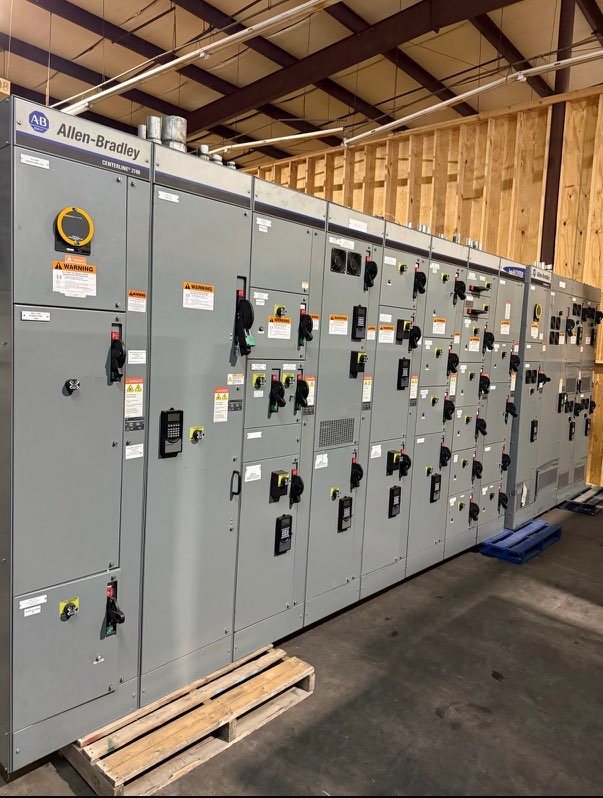
We buy electrical switchgear out of decommissioned data centers and shut-down power plants. From a single unit to a facility-wide lineup, tell us what you have and where it is located.
We handle all rigging and logistics. Crane, rigging, disconnects, loading, freight and hauling are on us. The seller does nothing but get paid.
After a sale is agreed, provide authorized site access and follow site safety rules; our qualified crews handle the work. You do not have to test the equipment before requesting an offer.
Start here —
Use the form for a full request, or call/text a nameplate photo. We buy switchgear from decommissioned data centers and shut-down power plants, plus related equipment across all voltage classes. Crane, rigging, disconnects, loading, freight and hauling are on us; the seller does nothing but get paid.