Share the basics
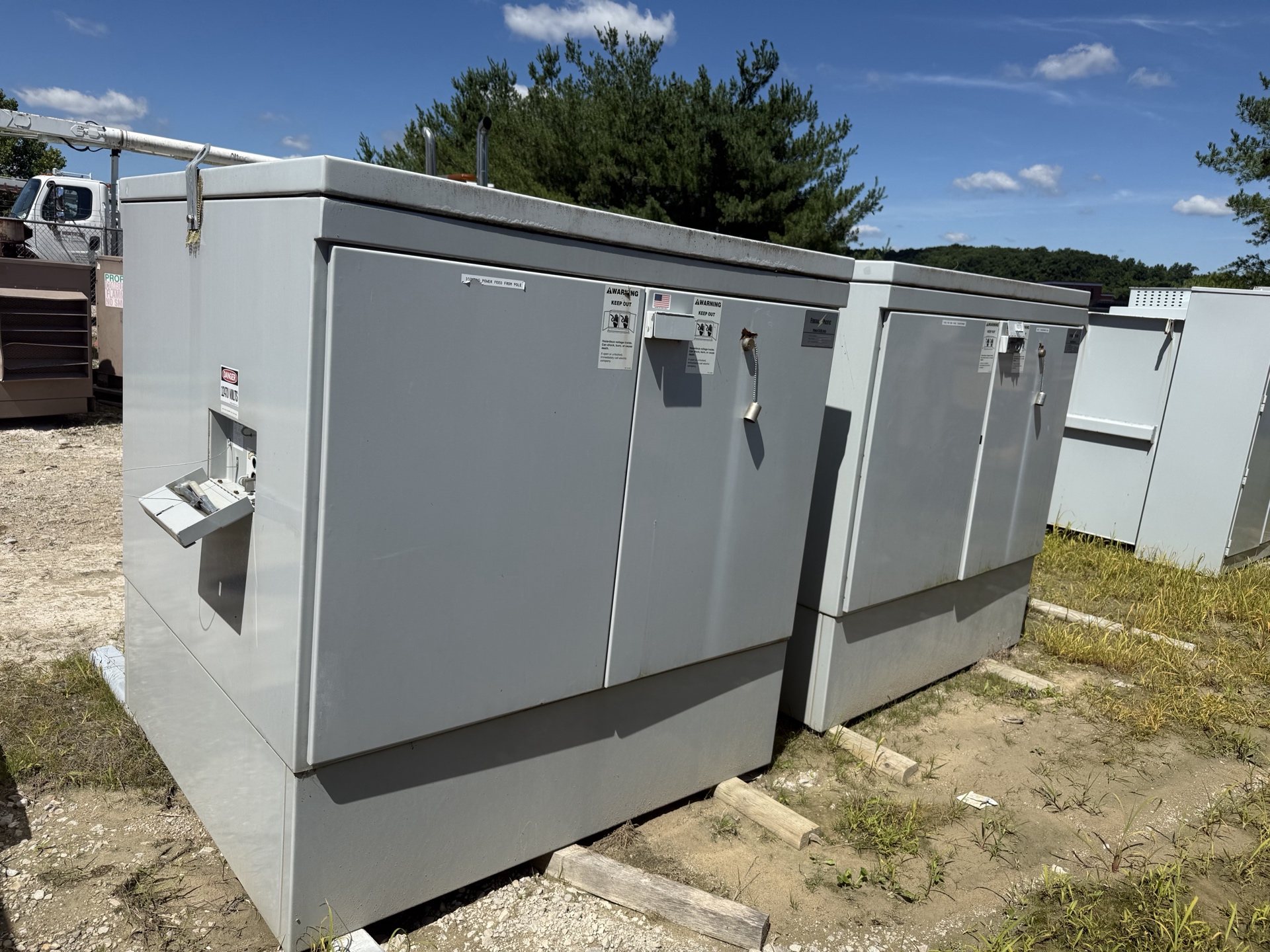
Tell us the equipment type, brand, ratings, location and condition. Photos of the nameplate help us move quickly.
Direct industrial buyer
We buy used and surplus switchgear, including equipment from decommissioned data centers and shut-down power plants. We handle rigging and logistics. Get a cash offer with payment upfront.
We buy only. We handle all rigging and logistics — you get paid.
The buyer's brief —
A nameplate showing 2500 amp can be an important starting point when identifying surplus switchgear. It does not establish the remaining ratings, condition, configuration or suitability of an assembly; include the complete nameplate when safely available. We review each opportunity, make cash offers, pay upfront when the sale is agreed, and do not require the seller to test equipment. We cover all freight and buy all voltage classes.
The marking 2500 amp is one part of an equipment nameplate. Share any available voltage, current, manufacturer, model, section count and interrupting information as marked, because a single figure does not describe an entire electrical assembly. A clear photograph is more useful than a guess. Our team considers all voltage classes and reviews the actual equipment and its condition before making an offer.
The buyer assumes responsibility for qualified disconnects, rigging, crane service, loading, freight, hauling, and all other logistics. Sellers should secure the area and allow only competent crews to handle electrical and lifting hazards under site rules. We consider MCC material from operating surplus, decommissioned data centers, and shut-down power plants. Seller payment is upfront after approval, while all offers remain subject to review.
MCC value depends on the material actually included, not simply the lineup label. Note empty spaces, missing buckets, damaged stabs, absent barriers, cut control wiring, undocumented modifications, corrosion, and loose parts. Photographs of nameplates, vertical sections, buckets, bus compartments, and accessories help us review a lot accurately. Our review is based on the information available; the seller does not need to test the equipment.
A mixed inventory in Alabama may contain equipment from several projects, manufacturers, or voltage levels. Separate each group by building, lineup, section number, manufacturer, and nameplate rating. Note whether breakers and accessories are matched to the lineup or stored separately. This prevents a buyer from treating unrelated material as one complete system. Photographs can document the condition without requiring operation. The buyer's qualified crews can determine handling needs later, while the seller focuses on accurate identification and authorized release.
When switchgear in Alabama is being removed as part of demolition, establish whether the buyer receives complete sections, selected components, or only loose parts. Confirm what remains attached, what has already been cut or stripped, and whether copper, breakers, relays, and control wiring are included. The buyer can arrange qualified crews, cranes, disconnects, loading, and freight hauling and cover those costs. The seller should identify exclusions clearly and should not be expected to test or restore incomplete equipment.
Some sellers prefer to provide no technical opinion beyond what can be observed safely. That is acceptable for switchgear in Alabama. A useful submission can state that the equipment is used, de-energized or status unknown, not tested by the seller, and available for buyer inspection under site rules. Include visible condition, approximate dimensions, storage location, and photographs if permitted. The buyer assumes responsibility for qualified evaluation and removal planning. Avoid language that represents unverified operating condition as a fact.
A clean handoff for equipment in Alabama identifies the exact material being released, the authorized seller, the payment status, and the person who can confirm loading. Record serial numbers or section identifiers when practical, especially if several similar lineups are present. The buyer can provide carrier and crew information, while the seller can specify site rules and paperwork requirements. Handoff documentation should match the agreed inventory and should not imply that the seller has tested or certified used equipment.
Large lineups and transformers may require a crane, specialized trailers, skidding equipment, or a planned route from the equipment room to the loading area. For material in Alabama, the buyer coordinates qualified riggers and freight carriers and covers those logistics as part of the transaction. Advance information about door dimensions, floor conditions, overhead clearances, dock limits, and site rules helps prevent surprises. The seller need not disconnect, test, or lift the equipment; the buyer's crews handle qualified removal safely.
Before a buyer commits to equipment in Alabama, seller ownership and paperwork should be clear. Relevant records may include purchase documents, asset schedules, surplus approvals, demolition inventories, release letters, or other evidence that the seller may transfer the material. If a landlord, lender, contractor, or insurer has an interest, identify that before arranging removal. The buyer can review available documentation and coordinate payment after authority is confirmed. Ownership questions should be resolved without relying on unsupported assumptions about title.
Decommissioned data centers can contain substantial electrical equipment even after servers and racks have been removed. In Alabama, an inventory may include service switchgear, generator paralleling gear, static transfer switches, distribution sections, panelboards, breakers, transformers, and battery-related equipment. Describe what remains, where it is located, and whether the rooms are dry and accessible. Photos and nameplates are preferable to assumptions about capacity. The buyer handles qualified evaluation and removal arrangements without requiring the seller to test equipment.
When a seller wants a straightforward sale in Alabama, clarify what is included and what is excluded before discussing payment. The list may cover complete lineups, individual breakers, loose parts, cable, controls, documentation, and storage containers. The buyer makes payment upfront after reviewing the inventory and agreeing on the release terms. Payment discussions should remain tied to verified ownership, accessible material, and an agreed handoff. The buyer makes the removal arrangements and does not require the seller to provide testing.
A clear handoff —
Send the details available to you. We buy based on practical information, not a drawn-out seller testing process.
Tell us the equipment type, brand, ratings, location and condition. Photos of the nameplate help us move quickly.
We review what you send and make a straightforward cash offer for the equipment we can buy.
Once you accept, we handle the crane, rigging, disconnects, loading, freight and hauling. Payments are made upfront.
From shutdown to handoff —
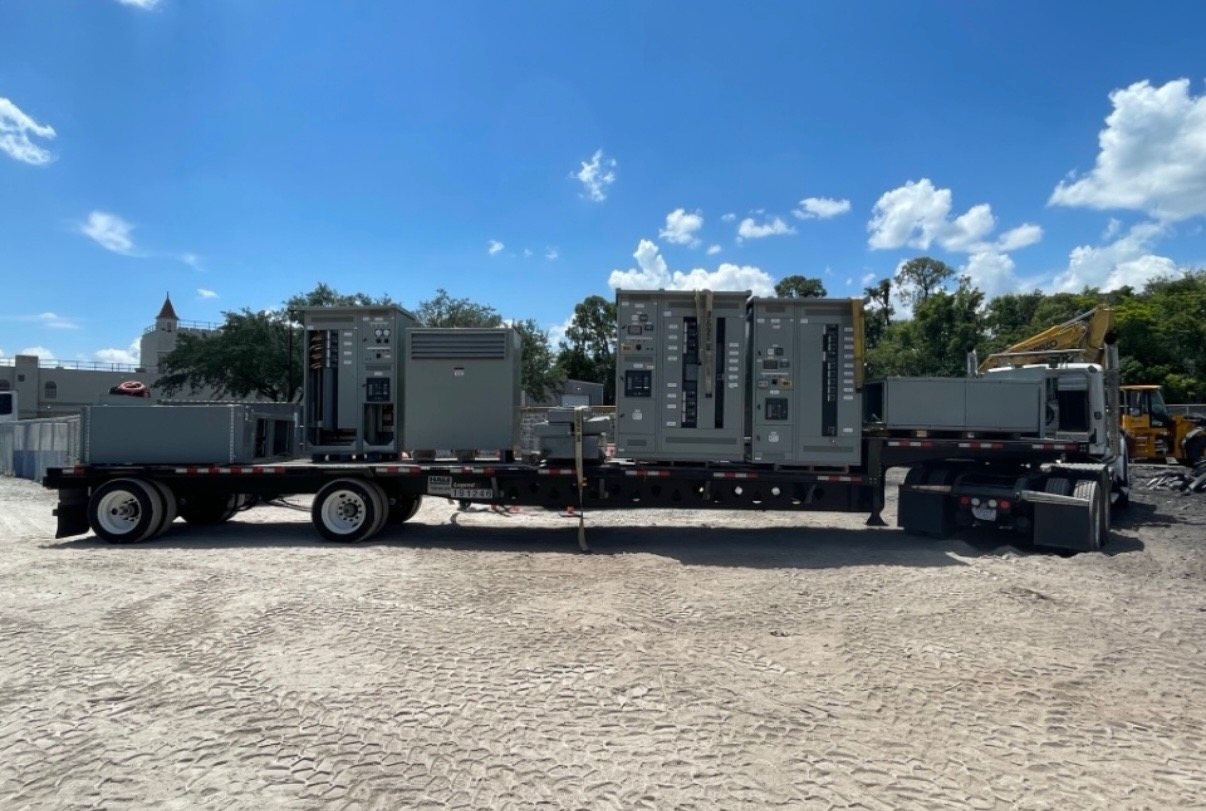
We buy electrical switchgear out of decommissioned data centers and shut-down power plants. From a single unit to a facility-wide lineup, tell us what you have and where it is located.
We handle all rigging and logistics. Crane, rigging, disconnects, loading, freight and hauling are on us. The seller does nothing but get paid.
After a sale is agreed, provide authorized site access and follow site safety rules; our qualified crews handle the work. You do not have to test the equipment before requesting an offer.
Start here —
Use the form for a full request, or call/text a nameplate photo. We buy switchgear from decommissioned data centers and shut-down power plants, plus related equipment across all voltage classes. Crane, rigging, disconnects, loading, freight and hauling are on us; the seller does nothing but get paid.