Share the basics
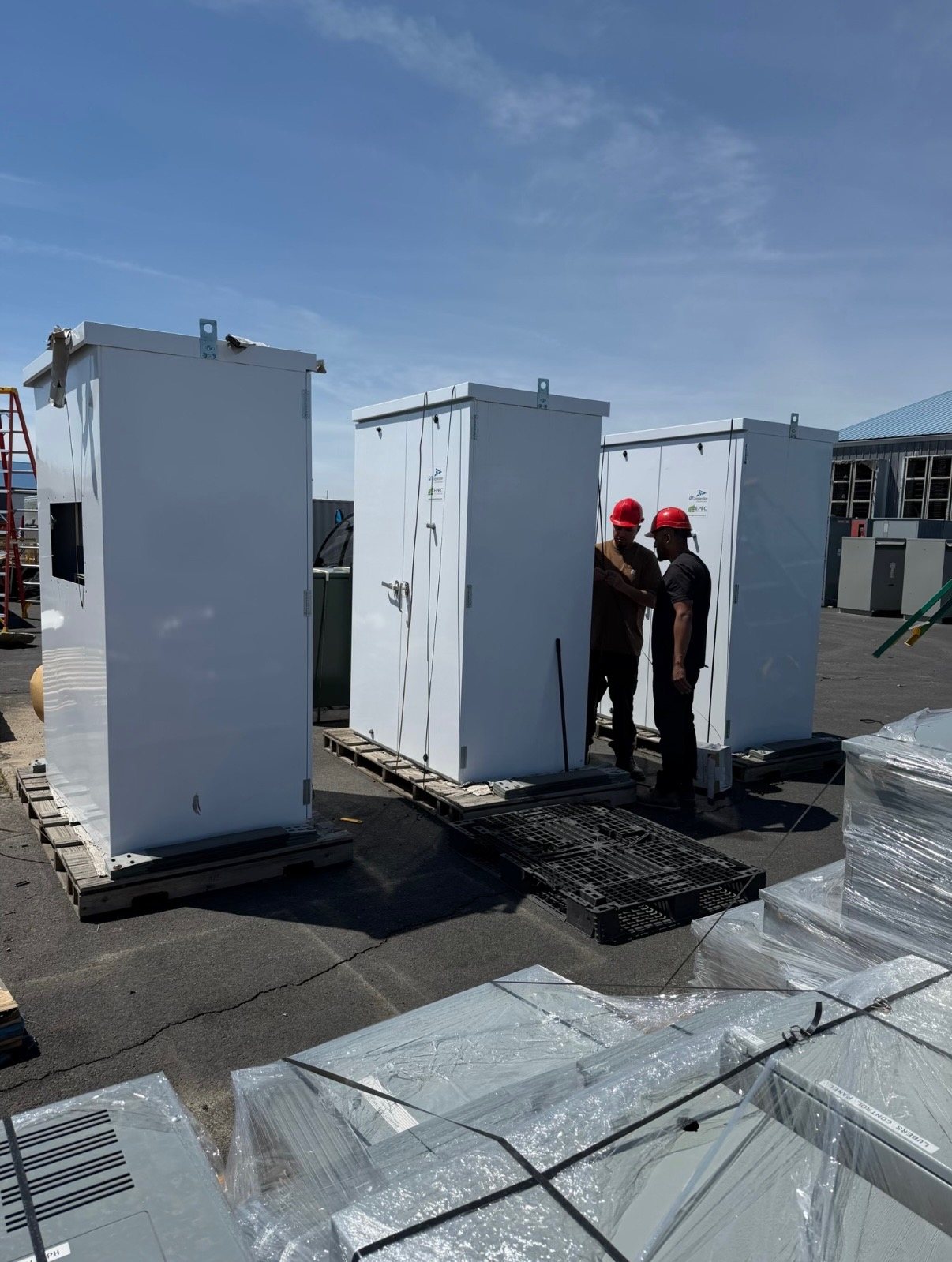
Tell us the equipment type, brand, ratings, location and condition. Photos of the nameplate help us move quickly.
Direct industrial buyer
We buy used and surplus switchgear, including equipment from decommissioned data centers and shut-down power plants. We handle rigging and logistics. Get a cash offer with payment upfront.
We buy only. We handle all rigging and logistics — you get paid.
The buyer's brief —
Have surplus breakers in Auburn, Alabama? We review used, removed, stored and decommissioned electrical equipment for a cash offer. A short inventory and clear nameplate pictures can help us understand what is available. We review each opportunity, make cash offers, pay upfront when the sale is agreed, and do not require the seller to test equipment. We cover all freight and buy all voltage classes.
Identify by manufacturer, catalog or frame designation, poles, voltage, continuous-current rating, interrupting rating where marked, trip unit or trip setting, and mounting or connection style. Record exact catalog numbers, frame and trip information, accessories, terminals, mounting hardware, condition, quantity, and whether devices are loose or installed in an assembly.
Please separate breakers by identifiable model and describe missing escutcheons, lugs, shutters, racking hardware, trip units, coils, accessories, cases, labels, and storage damage. We do not infer ratings, compatibility, or operational condition from a partial image or a similar-looking unit. The buyer reviews the actual lot and does not claim a manufacturer relationship or seller testing. Seller payment is upfront after approval, and all offers are subject to review.
We buy circuit breakers as individual units, matched groups, spare inventories, and mixed lots across all voltage classes. Useful nameplate information includes manufacturer, catalog or frame designation, voltage, continuous current, interrupting rating, trip or control type, serial number, and date code. Photos should show labels, terminals, trip units, mechanisms, mounting hardware, and accessories. Condition can vary from unused and boxed to installed, dirty, damaged, modified, or incomplete.
When a facility in Auburn, Alabama has indoor or outdoor switchgear available, the first step is identifying what is actually present. Useful details include manufacturer, lineup designation, voltage class, ampere rating, interrupting rating, bus arrangement, breaker type, and approximate quantity. Photos of nameplates, front views, rear access areas, and shipping labels can help a buyer evaluate the equipment without asking the seller to test it. A clear inventory separates complete lineups from loose sections, breakers, relays, transformers, and accessories.
When switchgear in Auburn, Alabama is being removed as part of demolition, establish whether the buyer receives complete sections, selected components, or only loose parts. Confirm what remains attached, what has already been cut or stripped, and whether copper, breakers, relays, and control wiring are included. The buyer can arrange qualified crews, cranes, disconnects, loading, and freight hauling and cover those costs. The seller should identify exclusions clearly and should not be expected to test or restore incomplete equipment.
A buyer evaluating equipment in Auburn, Alabama may accept a range of conditions, including used, stored, partially dismantled, weather-exposed, or untested material, provided the description is candid. State observable facts and distinguish them from unknowns. For example, note that a breaker is present but operation has not been verified, or that a lineup is intact but its service history is unavailable. This supports a realistic review without warranties, guarantees, or inflated claims. Qualified buyer crews handle any necessary inspection and removal safely.
Switchgear found during a staged plant closure in Auburn, Alabama may be removed in phases rather than all at once. The seller can identify which units are still installed, which areas are already cleared, and which components are being retained for operations. A buyer can coordinate around the plant's approved access rules and sequence the material accordingly. No seller testing or electrical work is needed for an initial review. The important facts are ownership, availability, condition, access constraints, and the intended handoff process.
Large lineups and transformers may require a crane, specialized trailers, skidding equipment, or a planned route from the equipment room to the loading area. For material in Auburn, Alabama, the buyer coordinates qualified riggers and freight carriers and covers those logistics as part of the transaction. Advance information about door dimensions, floor conditions, overhead clearances, dock limits, and site rules helps prevent surprises. The seller need not disconnect, test, or lift the equipment; the buyer's crews handle qualified removal safely.
Before a buyer commits to equipment in Auburn, Alabama, seller ownership and paperwork should be clear. Relevant records may include purchase documents, asset schedules, surplus approvals, demolition inventories, release letters, or other evidence that the seller may transfer the material. If a landlord, lender, contractor, or insurer has an interest, identify that before arranging removal. The buyer can review available documentation and coordinate payment after authority is confirmed. Ownership questions should be resolved without relying on unsupported assumptions about title.
A seller in Auburn, Alabama can begin with a clear summary of the available surplus and the information already on hand. Describe the material, ownership, condition, access, and preferred transaction terms. Include breakers when a specific category is known, but do not fill gaps with local assumptions. The buyer can review submissions from commercial, industrial, utility, data center, plant, and institutional facilities and then determine whether an offer and coordinated pickup are appropriate.
When a seller wants a straightforward sale in Auburn, Alabama, clarify what is included and what is excluded before discussing payment. The list may cover complete lineups, individual breakers, loose parts, cable, controls, documentation, and storage containers. The buyer makes payment upfront after reviewing the inventory and agreeing on the release terms. Payment discussions should remain tied to verified ownership, accessible material, and an agreed handoff. The buyer makes the removal arrangements and does not require the seller to provide testing.
A clear handoff —
Send the details available to you. We buy based on practical information, not a drawn-out seller testing process.
Tell us the equipment type, brand, ratings, location and condition. Photos of the nameplate help us move quickly.
We review what you send and make a straightforward cash offer for the equipment we can buy.
Once you accept, we handle the crane, rigging, disconnects, loading, freight and hauling. Payments are made upfront.
From shutdown to handoff —
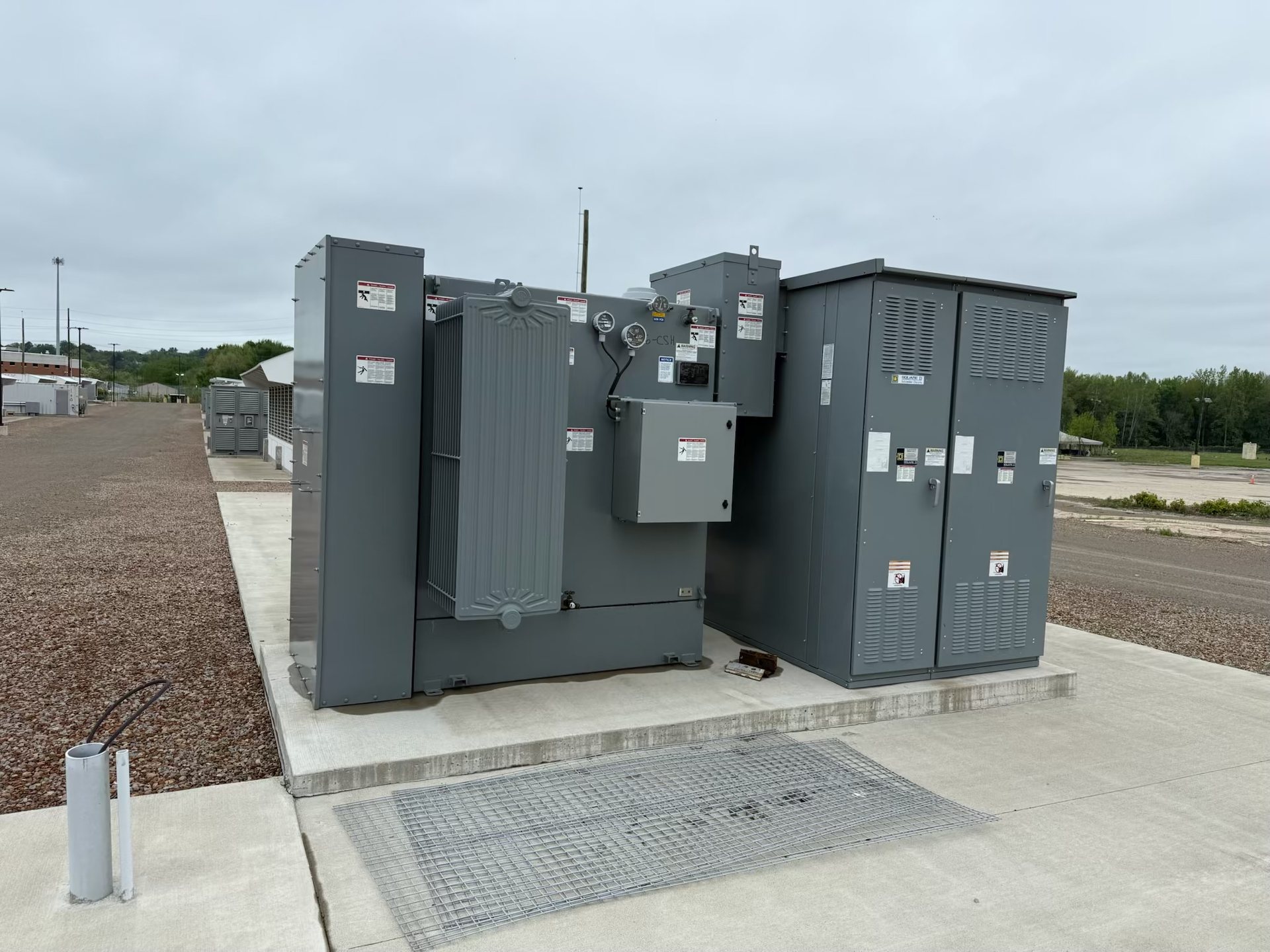
We buy electrical switchgear out of decommissioned data centers and shut-down power plants. From a single unit to a facility-wide lineup, tell us what you have and where it is located.
We handle all rigging and logistics. Crane, rigging, disconnects, loading, freight and hauling are on us. The seller does nothing but get paid.
After a sale is agreed, provide authorized site access and follow site safety rules; our qualified crews handle the work. You do not have to test the equipment before requesting an offer.
Start here —
Use the form for a full request, or call/text a nameplate photo. We buy switchgear from decommissioned data centers and shut-down power plants, plus related equipment across all voltage classes. Crane, rigging, disconnects, loading, freight and hauling are on us; the seller does nothing but get paid.