Share the basics
Tell us the equipment type, brand, ratings, location and condition. Photos of the nameplate help us move quickly.
Direct industrial buyer
We buy used and surplus switchgear, including equipment from decommissioned data centers and shut-down power plants. We handle rigging and logistics. Get a cash offer with payment upfront.
We buy only. We handle all rigging and logistics — you get paid.
The buyer's brief —
Have surplus breakers in Tuscaloosa, Alabama? We review used, removed, stored and decommissioned electrical equipment for a cash offer. A short inventory and clear nameplate pictures can help us understand what is available. We review each opportunity, make cash offers, pay upfront when the sale is agreed, and do not require the seller to test equipment. We cover all freight and buy all voltage classes.
Identify by manufacturer, catalog or frame designation, poles, voltage, continuous-current rating, interrupting rating where marked, trip unit or trip setting, and mounting or connection style. Record exact catalog numbers, frame and trip information, accessories, terminals, mounting hardware, condition, quantity, and whether devices are loose or installed in an assembly.
For breakers removed from equipment, the buyer handles qualified disconnects, rigging, crane service when necessary, loading, freight, hauling, and related logistics. Qualified crews must control electrical, arc-flash, and lifting hazards under applicable site rules; sellers should not attempt unsafe removal. We consider breaker inventories from decommissioned data centers, shut-down power plants, and general industrial surplus, with all voltage classes eligible for review.
We buy circuit breakers as individual units, matched groups, spare inventories, and mixed lots across all voltage classes. Useful nameplate information includes manufacturer, catalog or frame designation, voltage, continuous current, interrupting rating, trip or control type, serial number, and date code. Photos should show labels, terminals, trip units, mechanisms, mounting hardware, and accessories. Condition can vary from unused and boxed to installed, dirty, damaged, modified, or incomplete.
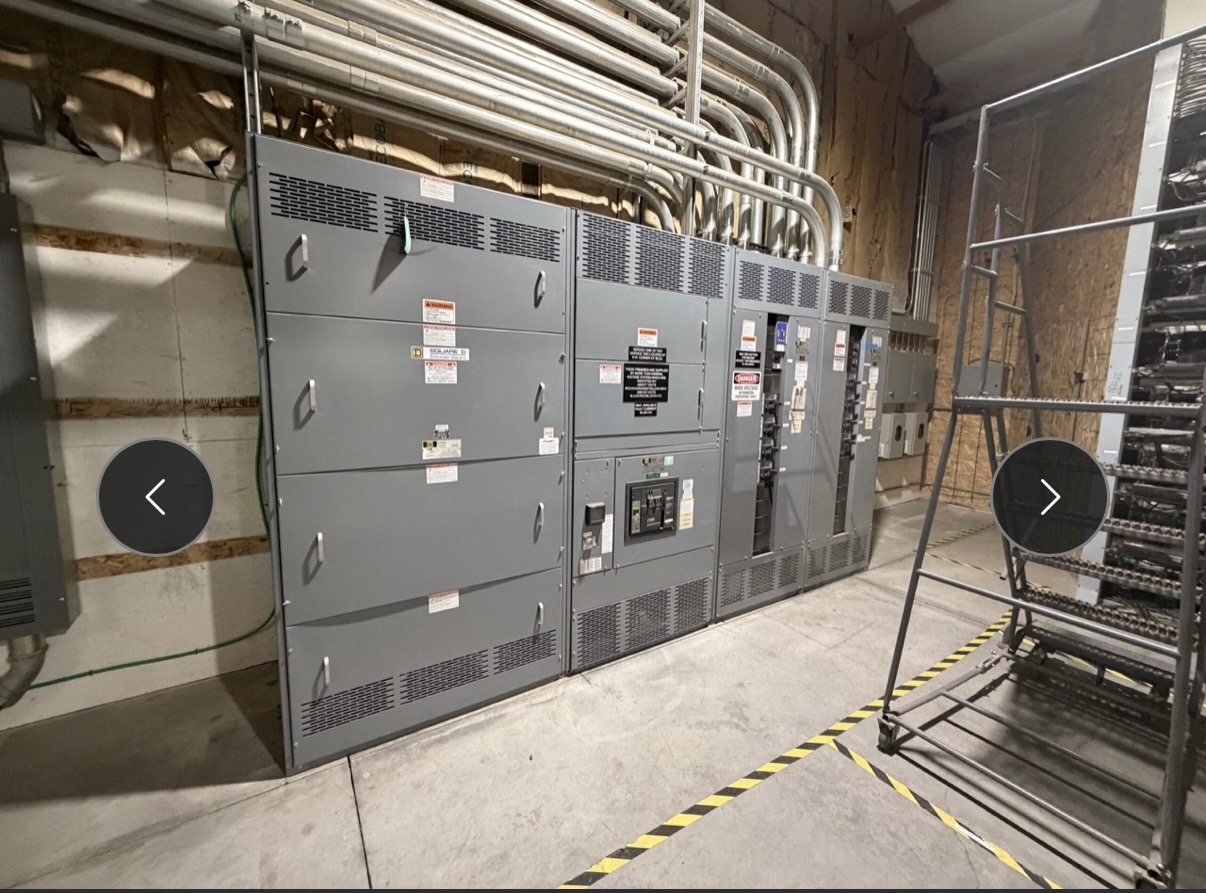
When a facility in Tuscaloosa, Alabama has indoor or outdoor switchgear available, the first step is identifying what is actually present. Useful details include manufacturer, lineup designation, voltage class, ampere rating, interrupting rating, bus arrangement, breaker type, and approximate quantity. Photos of nameplates, front views, rear access areas, and shipping labels can help a buyer evaluate the equipment without asking the seller to test it. A clear inventory separates complete lineups from loose sections, breakers, relays, transformers, and accessories.
When switchgear in Tuscaloosa, Alabama is being removed as part of demolition, establish whether the buyer receives complete sections, selected components, or only loose parts. Confirm what remains attached, what has already been cut or stripped, and whether copper, breakers, relays, and control wiring are included. The buyer can arrange qualified crews, cranes, disconnects, loading, and freight hauling and cover those costs. The seller should identify exclusions clearly and should not be expected to test or restore incomplete equipment.
Some sellers prefer to provide no technical opinion beyond what can be observed safely. That is acceptable for switchgear in Tuscaloosa, Alabama. A useful submission can state that the equipment is used, de-energized or status unknown, not tested by the seller, and available for buyer inspection under site rules. Include visible condition, approximate dimensions, storage location, and photographs if permitted. The buyer assumes responsibility for qualified evaluation and removal planning. Avoid language that represents unverified operating condition as a fact.
Switchgear found during a staged plant closure in Tuscaloosa, Alabama may be removed in phases rather than all at once. The seller can identify which units are still installed, which areas are already cleared, and which components are being retained for operations. A buyer can coordinate around the plant's approved access rules and sequence the material accordingly. No seller testing or electrical work is needed for an initial review. The important facts are ownership, availability, condition, access constraints, and the intended handoff process.
For a facility sale in Tuscaloosa, Alabama, ask whether the switchgear is owned outright or subject to a service agreement, lease, finance arrangement, warranty claim, or demolition contract. The seller can provide the name of any other party whose consent is needed. The buyer can make an offer only for material the seller is authorized to release, with payment and pickup tied to agreed documentation. This avoids confusion when equipment remains on leased premises or when multiple contractors are working under separate scopes.
Safe access matters when reviewing equipment in Tuscaloosa, Alabama, especially in abandoned rooms, active industrial sites, construction areas, and partially dismantled facilities. The seller can identify hazards, escort requirements, restricted zones, floor loading limits, and personal protective equipment rules. The buyer can send qualified personnel for any inspection, disconnection, rigging, or loading work. A seller should not be asked to open energized compartments, climb around obstructions, or make the equipment safe beyond its established site procedures.
During a plant closure, equipment may be tagged, isolated, stored, or awaiting a demolition contractor. For switchgear in Tuscaloosa, Alabama, clarify whether the lineup is surplus, assigned to another project, leased, or scheduled for disposal. Include any known removal restrictions and identify the person authorized to release it. The buyer can arrange qualified crews for safe access, disconnection, rigging, and loading when required. Seller staff should not be asked to disconnect or test equipment solely to support an inquiry.
Documentation can make an equipment review in Tuscaloosa, Alabama more efficient. Helpful items include one-line diagrams, equipment schedules, original submittals, maintenance notes, removal drawings, photographs from service, and records showing what was replaced or salvaged. These documents are informational and do not replace a qualified inspection. The seller need not recreate missing records or conduct tests. The buyer can use the available information to determine whether to proceed, what crews are needed, and how the material should be identified at loading.
A clear handoff —
Send the details available to you. We buy based on practical information, not a drawn-out seller testing process.
Tell us the equipment type, brand, ratings, location and condition. Photos of the nameplate help us move quickly.
We review what you send and make a straightforward cash offer for the equipment we can buy.
Once you accept, we handle the crane, rigging, disconnects, loading, freight and hauling. Payments are made upfront.
From shutdown to handoff —
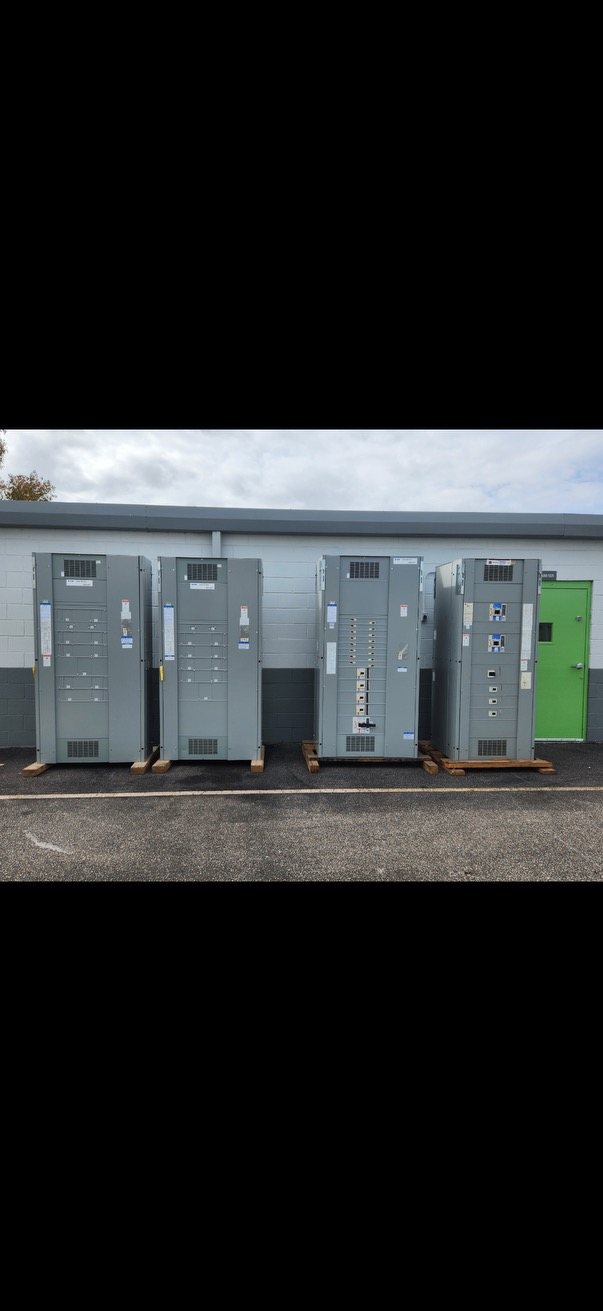
We buy electrical switchgear out of decommissioned data centers and shut-down power plants. From a single unit to a facility-wide lineup, tell us what you have and where it is located.
We handle all rigging and logistics. Crane, rigging, disconnects, loading, freight and hauling are on us. The seller does nothing but get paid.
After a sale is agreed, provide authorized site access and follow site safety rules; our qualified crews handle the work. You do not have to test the equipment before requesting an offer.
Start here —
Use the form for a full request, or call/text a nameplate photo. We buy switchgear from decommissioned data centers and shut-down power plants, plus related equipment across all voltage classes. Crane, rigging, disconnects, loading, freight and hauling are on us; the seller does nothing but get paid.