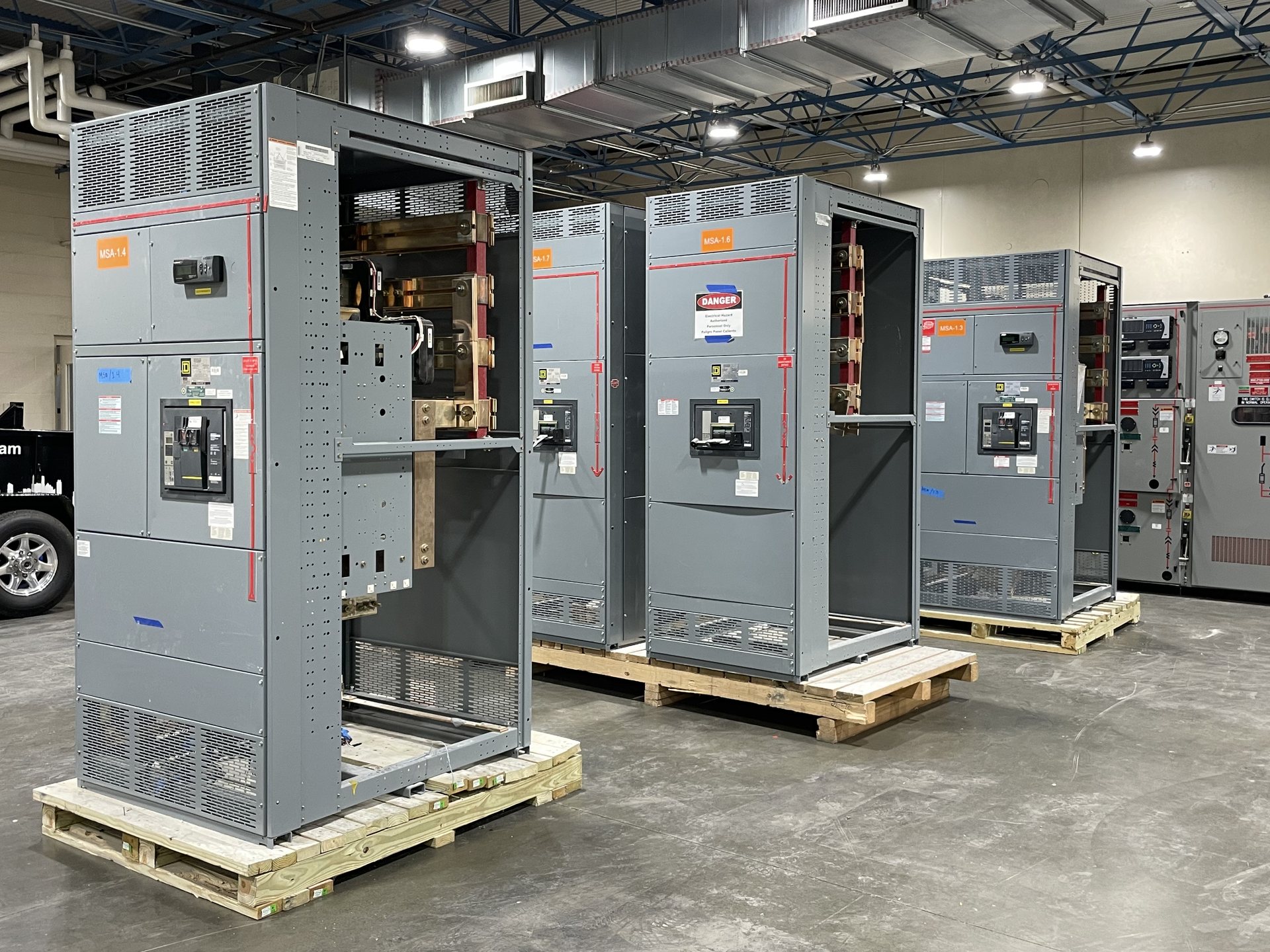
Share the basics
Tell us the equipment type, brand, ratings, location and condition. Photos of the nameplate help us move quickly.
Direct industrial buyer
We buy used and surplus switchgear, including equipment from decommissioned data centers and shut-down power plants. We handle rigging and logistics. Get a cash offer with payment upfront.
We buy only. We handle all rigging and logistics — you get paid.
The buyer's brief —
Have surplus motor control centers in Birmingham, Alabama? We review used, removed, stored and decommissioned electrical equipment for a cash offer. A short inventory and clear nameplate pictures can help us understand what is available. We review each opportunity, make cash offers, pay upfront when the sale is agreed, and do not require the seller to test equipment. We cover all freight and buy all voltage classes.
Identify by manufacturer, lineup sections, vertical sections, bus rating, starter or bucket arrangement, voltage, and section or unit labels. Inventory every section and bucket or unit, recording unit size, device labels, control voltage where marked, plug-in or fixed construction, and missing components.
The buyer assumes responsibility for qualified disconnects, rigging, crane service, loading, freight, hauling, and all other logistics. Sellers should secure the area and allow only competent crews to handle electrical and lifting hazards under site rules. We consider MCC material from operating surplus, decommissioned data centers, and shut-down power plants. Seller payment is upfront after approval, while all offers remain subject to review.
We buy motor control centers as complete lineups, individual sections, buckets, starters, or mixed lots, with all voltage classes considered. Helpful nameplate information includes manufacturer, series, lineup identification, voltage, bus rating, enclosure, section dimensions, and date or serial markings. Describe whether buckets, starters, disconnects, overloads, controls, doors, wiring, and hardware are present. Condition can vary materially from unused surplus to removed, modified, dirty, or incomplete.
When a facility in Birmingham, Alabama has indoor or outdoor switchgear available, the first step is identifying what is actually present. Useful details include manufacturer, lineup designation, voltage class, ampere rating, interrupting rating, bus arrangement, breaker type, and approximate quantity. Photos of nameplates, front views, rear access areas, and shipping labels can help a buyer evaluate the equipment without asking the seller to test it. A clear inventory separates complete lineups from loose sections, breakers, relays, transformers, and accessories.
Nameplate information is often more valuable than a general statement that equipment is available in Birmingham, Alabama. Record the manufacturer, model or series, serial number, date code, voltage, current, frequency, short-circuit rating, and enclosure classification when readable. Include photographs of each nameplate and note whether labels are original, overlaid, or missing. A buyer can use those details to identify and review the equipment. Do not clean, energize, open, or test equipment for the inquiry; safe observation and documentation are sufficient.
Condition should be described in practical terms rather than broad labels such as good or used. For equipment in Birmingham, Alabama, note whether it was energized recently, stored indoors, exposed to weather, removed from service, or left in place after a project. Identify visible corrosion, impact damage, missing doors, cracked insulators, removed wiring, contamination, or incomplete sections. The buyer can account for uncertainty when reviewing the material. Seller observations and photographs are useful, but the seller does not need to perform testing or repair work.
Scheduling a pickup in Birmingham, Alabama should be based on mutually confirmed readiness rather than an assumed turnaround. Useful scheduling facts include the seller's access windows, security check-in process, loading restrictions, required insurance documents, contact person, and whether a carrier must be preapproved. The buyer coordinates qualified removal and freight resources after the material and release conditions are confirmed. A flexible schedule is often appropriate for closures, outages, construction work, and facilities where operations must take priority.
Large lineups and transformers may require a crane, specialized trailers, skidding equipment, or a planned route from the equipment room to the loading area. For material in Birmingham, Alabama, the buyer coordinates qualified riggers and freight carriers and covers those logistics as part of the transaction. Advance information about door dimensions, floor conditions, overhead clearances, dock limits, and site rules helps prevent surprises. The seller need not disconnect, test, or lift the equipment; the buyer's crews handle qualified removal safely.
Before a buyer commits to equipment in Birmingham, Alabama, seller ownership and paperwork should be clear. Relevant records may include purchase documents, asset schedules, surplus approvals, demolition inventories, release letters, or other evidence that the seller may transfer the material. If a landlord, lender, contractor, or insurer has an interest, identify that before arranging removal. The buyer can review available documentation and coordinate payment after authority is confirmed. Ownership questions should be resolved without relying on unsupported assumptions about title.
During a plant closure, equipment may be tagged, isolated, stored, or awaiting a demolition contractor. For switchgear in Birmingham, Alabama, clarify whether the lineup is surplus, assigned to another project, leased, or scheduled for disposal. Include any known removal restrictions and identify the person authorized to release it. The buyer can arrange qualified crews for safe access, disconnection, rigging, and loading when required. Seller staff should not be asked to disconnect or test equipment solely to support an inquiry.
An initial offer review for equipment in Birmingham, Alabama works best when the buyer receives a concise inventory, photographs, readable nameplates, and any available drawings or maintenance records. The buyer may also need the seller's asking position, preferred transaction structure, and payment requirements. Payment is made upfront once the transaction is agreed and ownership and release conditions are clear. An offer is subject to review and acceptance; no particular price, outcome, or guaranteed purchase should be implied.
A clear handoff —
Send the details available to you. We buy based on practical information, not a drawn-out seller testing process.
Tell us the equipment type, brand, ratings, location and condition. Photos of the nameplate help us move quickly.
We review what you send and make a straightforward cash offer for the equipment we can buy.
Once you accept, we handle the crane, rigging, disconnects, loading, freight and hauling. Payments are made upfront.
From shutdown to handoff —
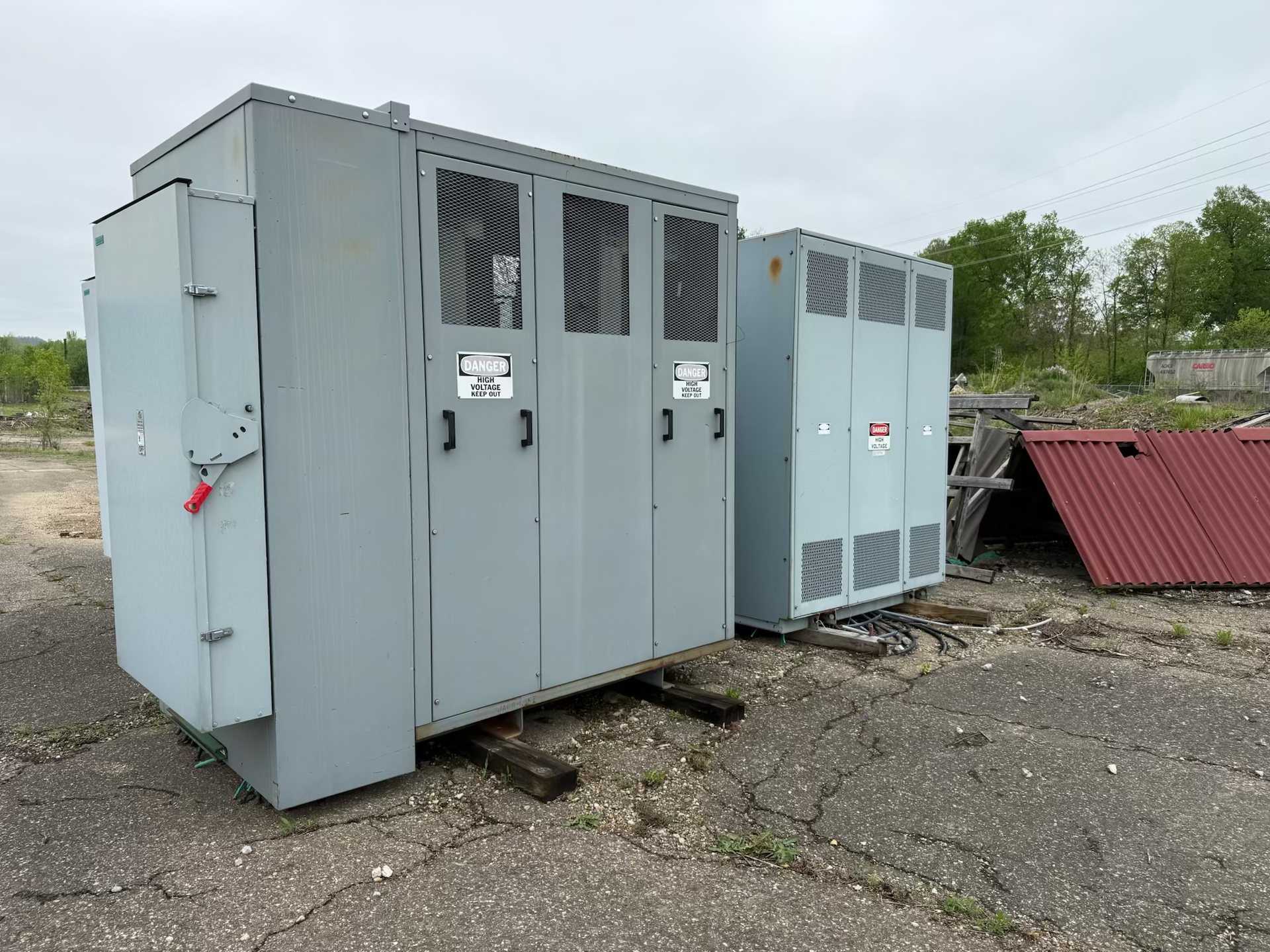
We buy electrical switchgear out of decommissioned data centers and shut-down power plants. From a single unit to a facility-wide lineup, tell us what you have and where it is located.
We handle all rigging and logistics. Crane, rigging, disconnects, loading, freight and hauling are on us. The seller does nothing but get paid.
After a sale is agreed, provide authorized site access and follow site safety rules; our qualified crews handle the work. You do not have to test the equipment before requesting an offer.
Start here —
Use the form for a full request, or call/text a nameplate photo. We buy switchgear from decommissioned data centers and shut-down power plants, plus related equipment across all voltage classes. Crane, rigging, disconnects, loading, freight and hauling are on us; the seller does nothing but get paid.